Why Needle's Reference System Outshines OpenAI's Approach
A deep dive into how Needle's innovative referencing makes AI-assisted content generation more transparent and user-friendly
Key Takeaways
- OpenAI's reference system uses cryptic numeric labels (e.g., "01:01") that require manual document navigation to verify.
- Needle's references are clickable overlays with descriptive snippets that link directly to the exact source location.
- Better references improve 3 critical areas: trust & transparency, efficiency, and team collaboration.
- Needle's system handles multi-document workflows by clearly indicating which reference belongs to which document.
Introduction
When it comes to AI-assisted content generation, references are everything. Whether you're working on a business project, academic research, or anything in between, you need to know where information is coming from. Not all referencing systems, however, are created equal.
In this post, I'll take a closer look at how OpenAI handles references compared to Needle's approach and explain why our solution is a step ahead in terms of usability, clarity, and transparency.
The OpenAI Reference Style: Numbers Without Context
While OpenAI has made strides in enabling users to work with private data through features like the ability to manually add files to a ChatGPT conversation, the experience still has limitations. You can ask questions based on your uploaded documents, but the referencing system often falls short. If you've worked with OpenAI-powered tools, you've likely seen references like this:
01:01
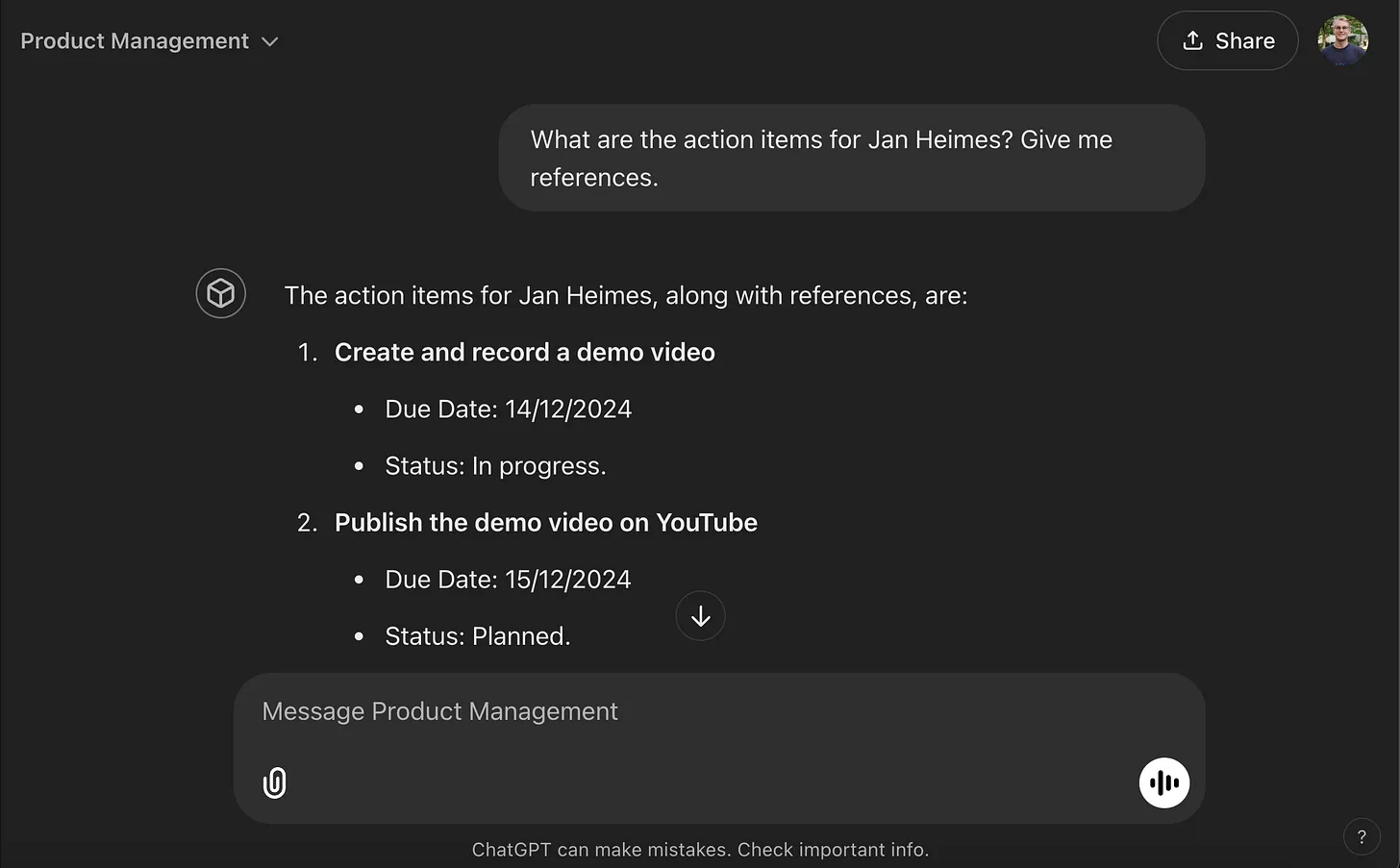
Or just no references. I downloaded a Confluence page as a PDF to manually compare how ChatGPTs references work compared to Needle.
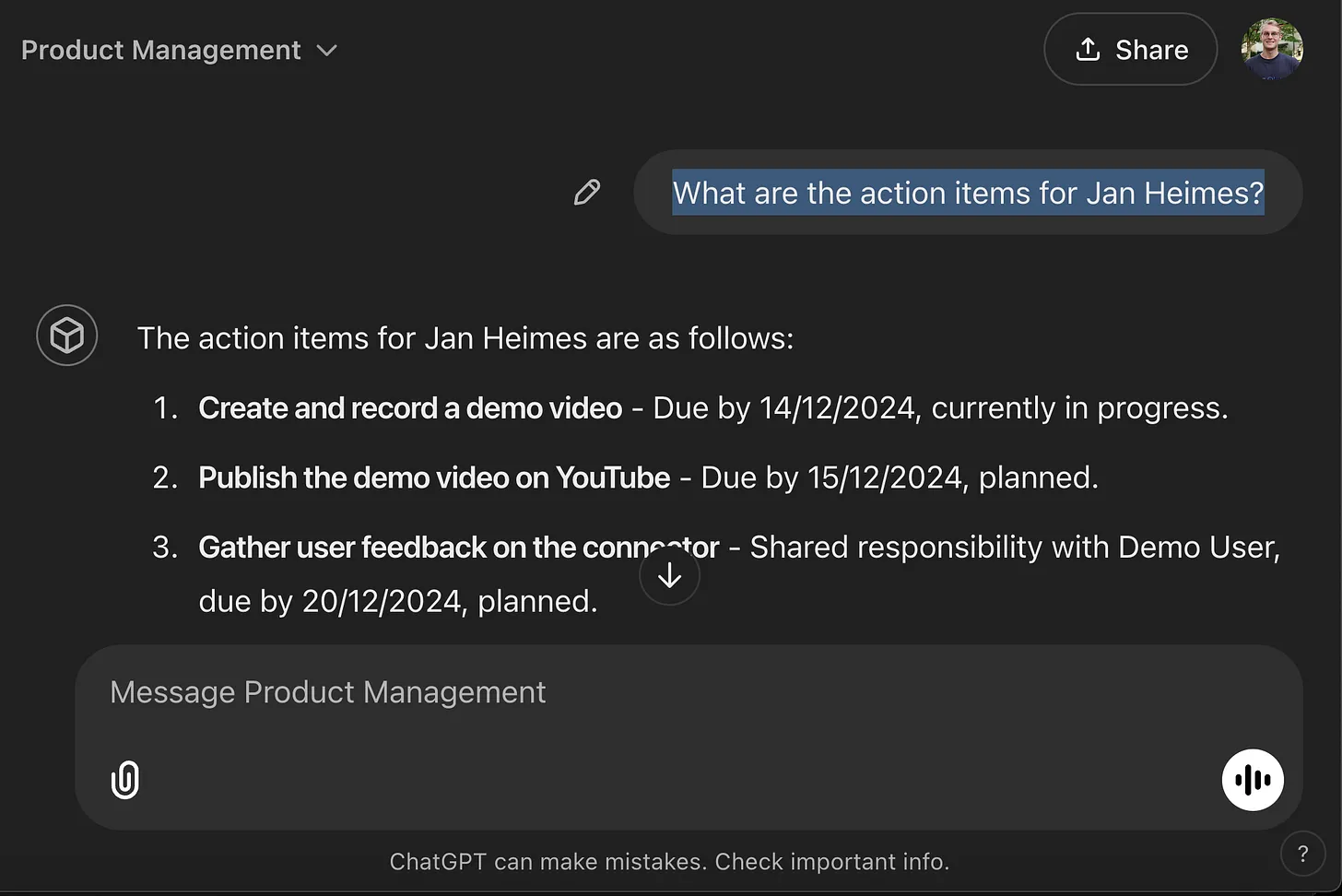
Even if I prompt explicitly to give me references no references are given back.
This system points to specific locations in a source document. While it gets the job done in certain contexts, it's far from user-friendly. Here's why:
- No Immediate Meaning - To understand what they refer to, you'd have to manually find the document and scroll to the right spot.
- Not Interactive - You can't click these references to instantly access the source, which is frustrating with large volumes of information.
- Confusing with Multiple Documents - When multiple sources are involved, these labels don't make it clear which document they point to.
Reference System Comparison: OpenAI vs. Needle
| Feature | OpenAI / ChatGPT | Needle |
|---|---|---|
| Reference Format | Numeric labels (e.g., "01:01") | Descriptive snippets with context |
| Clickable Links | No | Yes - direct to source location |
| Multi-Document Clarity | Ambiguous across documents | Clear document attribution |
| Visual Integration | Inline text labels | Non-intrusive overlays |
| Source Verification | Manual scrolling required | 1-click verification |
The Needle Difference: Clickable, Contextual Overlays
At Needle, we've taken a different approach because we believe references shouldn't be an afterthought. They should be a seamless part of the user experience. Here's how our system works:
)
- Overlay Integration - References appear as overlays alongside your content. They're easy to find and don't clutter the text.
- Clickable and Interactive - Clicking a reference takes you directly to the exact spot in the source material. No more manual searching.
- Contextual Clarity - Instead of vague numeric labels, references include descriptive snippets so you know what you're looking at before you click.
- Multi-Document Awareness - The system indicates which reference belongs to which document, making it easy to keep track of everything.
Why Better References Matter
- Trust and Transparency - In a world where AI can produce massive amounts of content in seconds, trust is critical. Good references give users confidence by showing where information came from and how to verify it.
- Improved Efficiency - Nobody wants to spend precious time hunting down the origin of a piece of information. Needle's clickable references eliminate that hassle, especially with long or complex documents.
- Easier Collaboration - Instead of sending colleagues cryptic labels like "16:16," you can share direct, clickable links to the exact source material. It's faster, clearer, and cuts down on mistakes.
Summary
OpenAI's innovations are undeniably impressive, but their reference system - cryptic numeric labels that aren't clickable and lack multi-document clarity - falls short for real-world knowledge work. Needle's approach uses clickable contextual overlays with descriptive snippets, 1-click source verification, and clear document attribution across multi-source workflows. The result is a referencing system that builds trust, saves time, and makes team collaboration seamless. Sometimes the smallest design details make the biggest difference.
If you're ready for an AI experience that values transparency and usability, give Needle a try.