Why Enterprises Should Use RAG
Leveraging RAG for enterprise data
Key Takeaways
- RAG lets enterprise AI access private knowledge bases without fine-tuning, reducing hallucination risk by up to 80%
- Semantic chunking improves retrieval relevance by 30–50% over fixed-size chunking methods
- Hybrid indexing (keyword + vector search) handles diverse search needs - from exact lookups to conceptual queries
- RAG-as-a-service platforms like Needle eliminate months of data pipeline engineering
- Enterprises using RAG report faster decision-making, reduced support costs, and improved knowledge sharing
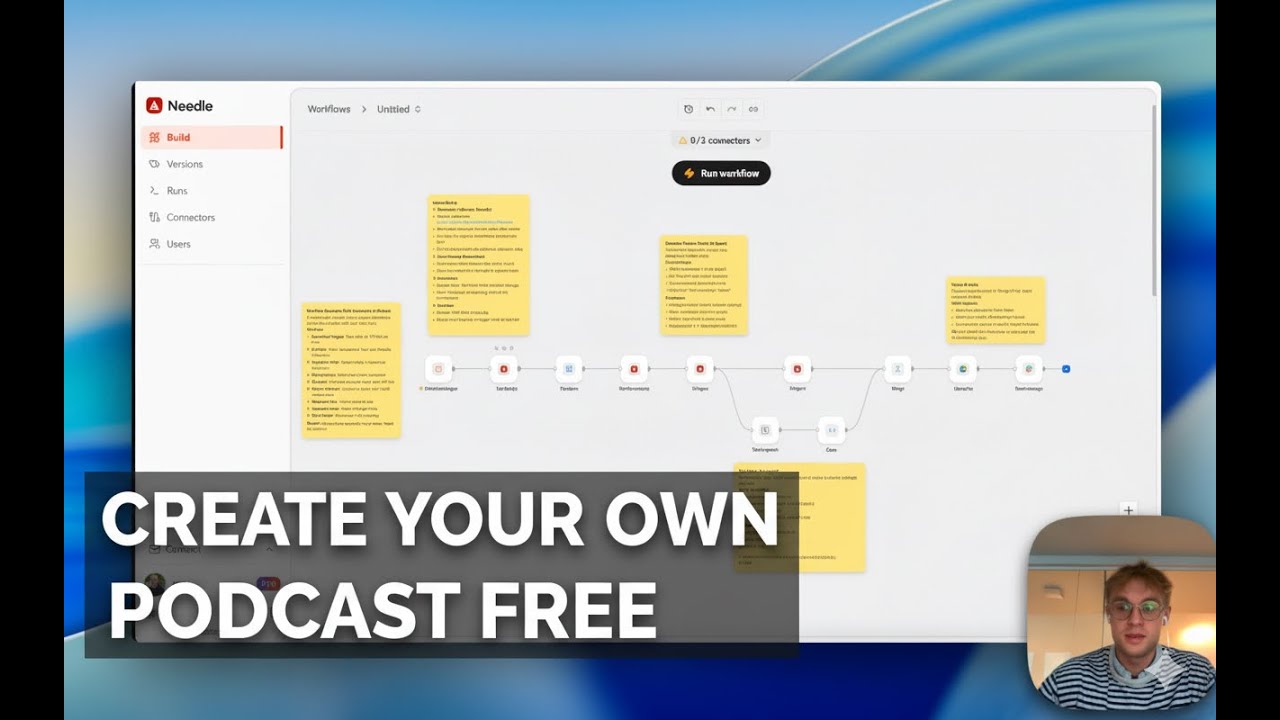
I am Jan Heimes, co-founder of Needle, and want to talk about how RAG can leverage enterprise data. In short retrieval-augmented generation (RAG) allows AI to tap into your private knowledge base.
The Advantages of RAG for Enterprises
For enterprises, the primary benefits of implementing RAG technology include:
Enhanced Data Retrieval: By integrating indexing methods and leveraging vector databases, RAG systems can retrieve highly relevant information quickly.
Improved Accuracy: The use of RAG helps reduce the risk of errors or "hallucinations" in generated content.
Streamlined Integration: RAG-as-a-service platforms such as Needle simplify the integration process by providing managed services that handle the complexities of data pipelines.
RAG vs. Alternative Enterprise AI Approaches
| Criteria | RAG | Fine-Tuning | Prompt Engineering Only |
|---|---|---|---|
| Data freshness | Real-time (retrieves live data) | Static (trained at a point in time) | Limited to context window |
| Hallucination risk | Low (grounded in docs) | Medium | High |
| Implementation time | Hours to days | Weeks to months | Minutes |
| Cost | Low to moderate | High (GPU training) | Lowest |
| Scalability | Scales with data sources | Limited by model capacity | Limited by context window |
Innovative Approaches in RAG Technology
One of the critical areas of innovation in RAG technology is semantic chunking. Unlike traditional methods that rely on fixed chunk sizes with overlap, semantic chunking breaks down data based on its meaning and context. This approach enhances the relevance of the retrieved data by 30–50% and improves the quality of generated responses.
Additionally, hybrid indexing combines keyword-based and semantic vector-based search approaches. This flexibility allows for more nuanced and accurate content retrieval, accommodating diverse search needs and preferences - from exact keyword lookups to conceptual queries.
The Future of RAG in Enterprise AI
As AI technology continues to advance, the role of RAG will likely become even more prominent. By facilitating more efficient data management and providing high-quality insights, RAG technology helps enterprises stay competitive in an increasingly data-driven world.
For developers and organizations, embracing RAG technology means gaining access to powerful tools that simplify data handling and enhance AI capabilities. As the field of AI evolves, RAG will play a crucial role in shaping the future of enterprise data integration and utilization.
Summary
Enterprises should adopt RAG because it combines real-time data retrieval with LLM-powered generation to deliver accurate, hallucination-free AI responses grounded in private knowledge bases. Compared to fine-tuning (weeks of work, high GPU costs) or prompt engineering alone (limited by context windows), RAG offers the best balance of accuracy, freshness, and implementation speed. Innovations like semantic chunking (30–50% better retrieval relevance) and hybrid indexing make RAG systems even more powerful. Platforms like Needle provide RAG-as-a-service, eliminating months of data pipeline engineering so enterprises can focus on deriving value from their data.